Rise in Fraudulent Bulk Orders Targeting Businesses in Singapore
Several businesses in Singapore have recently fallen victim to a growing scam involving fake bulk orders, with fraudsters impersonating military personnel. These incidents have raised concerns among local entrepreneurs, who are now more cautious about verifying the legitimacy of large orders.
Sedap Restaurant: A Case of Deception
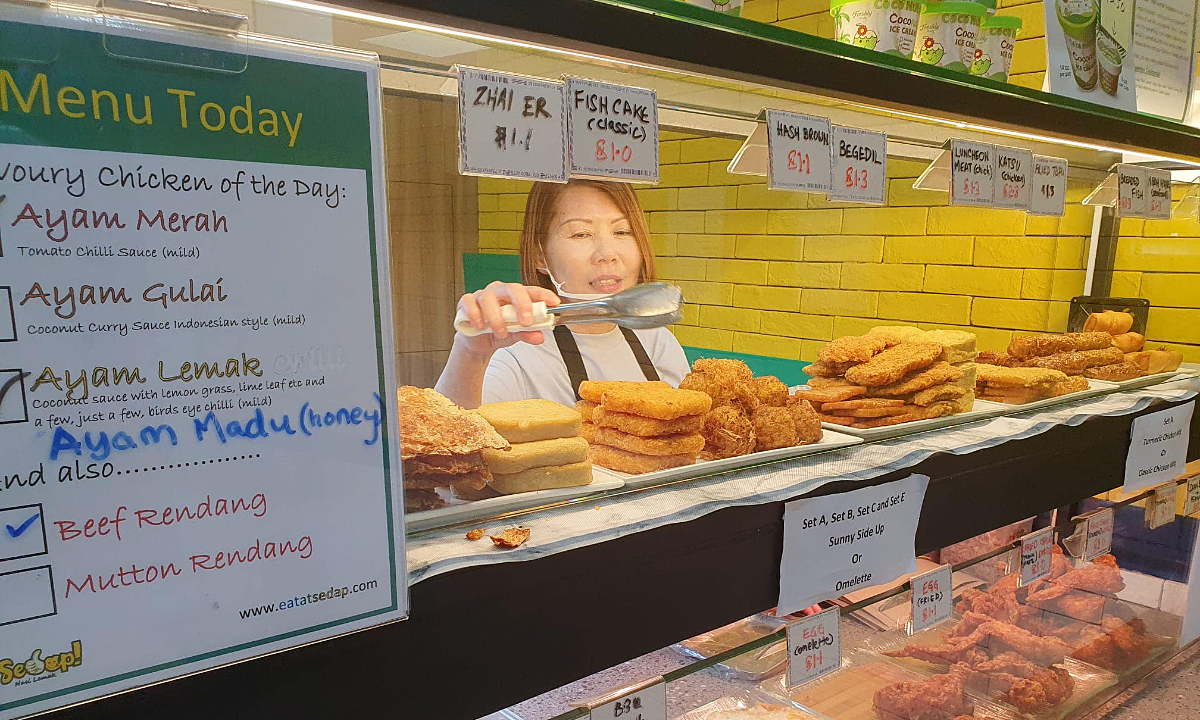
One of the affected businesses is Sedap, a restaurant in Novena known for its Malaysian dish nasi lemak. On September 8, an individual claiming to be "Luke Wong" from Bedok Army Camp contacted the restaurant and placed an order for 150 portions of nasi lemak along with 150 water bottles. The total value of the order was SGD1,600 (US$1,248.06) after a discount.
The owner, Chee Hang Joon, explained that he offered the discount because he believed the customer was from the army and wanted to build a good relationship. Wong appeared to be a young and earnest person, making the request seem legitimate. However, the fraudster refused to pay upfront, claiming it was a last-minute order and that the "government department" could not process payment promptly.
When Chee requested an advance payment, Wong provided a convincing excuse. He later failed to show up to collect the order, despite multiple attempts to contact him via the provided mobile number. Although Wong had been responsive on WhatsApp earlier, he eventually disappeared without a trace.
Despite the loss of the order, Chee managed to sell the remaining items to other customers, avoiding financial losses. He later filed a police report to document the incident.
Yi Jia Bakery: Another Victim of the Scam
Another business affected by this scam is Yi Jia Bakery on Thomson Road. The 62-year-old owner, identified only as Mdm Low, shared her experience with The Straits Times. On September 11, she received a call from a man named "Gordon," who claimed to be from Bedok Army Camp. He placed an urgent order for SGD1,500 worth of pastries for 150 people, intended for an event the following day.
Despite being informed that the bakery produces non-Halal items, Gordon proceeded with the order. When Low asked for payment, Gordon said that army staff had already left for the day and that payment would be made the next morning.
Later, Gordon called again from a different number, claiming his phone was broken. On the morning of September 12, a different man claiming to be Gordon’s colleague contacted the bakery, mentioning a supplier for ready-to-eat meals and requesting Low to contact that supplier—she refused.
Low warned she would call the police if payment was not made. Around 4 p.m. on September 12, just two hours before the agreed pickup time, most of the second man's messages had been deleted, and Low lost contact. She described the incident as a lesson well-learnt, noting that she usually requires full advance payment but was deceived by the "army officer" persona.
She ended up donating most of the unclaimed goods to the food bank Food from the Heart.
Kiki Florist: A Loss of Over SGD1,000
Kiki Florist also fell victim to this scam. In a blog post on its website, the florist revealed that it faced losses exceeding SGD1,000 after preparing flowers for a fake bulk order on September 8. A man placed an order for 150 small bouquets and four extra-large ones, claiming it was a "corporate order from the government" and that he was from Bedok Army Camp.
The flowers were never collected, resulting in significant financial loss for the business.
Ministry of Defence Issues Warning
On September 14, the Ministry of Defence issued a warning to the public about fraudulent bulk orders carried out by individuals impersonating Singapore Armed Forces (SAF) personnel. In a Facebook post, the ministry stated it was aware of seven such cases, none of which involved actual SAF personnel. Police reports have been filed in all instances.
Conclusion
These incidents highlight the increasing sophistication of scams targeting local businesses. Entrepreneurs are advised to remain vigilant and verify the authenticity of large orders, especially those coming from seemingly reputable sources. As the number of such cases continues to rise, it is essential for businesses to implement stricter verification processes to protect themselves from potential financial losses.
Comments
Post a Comment