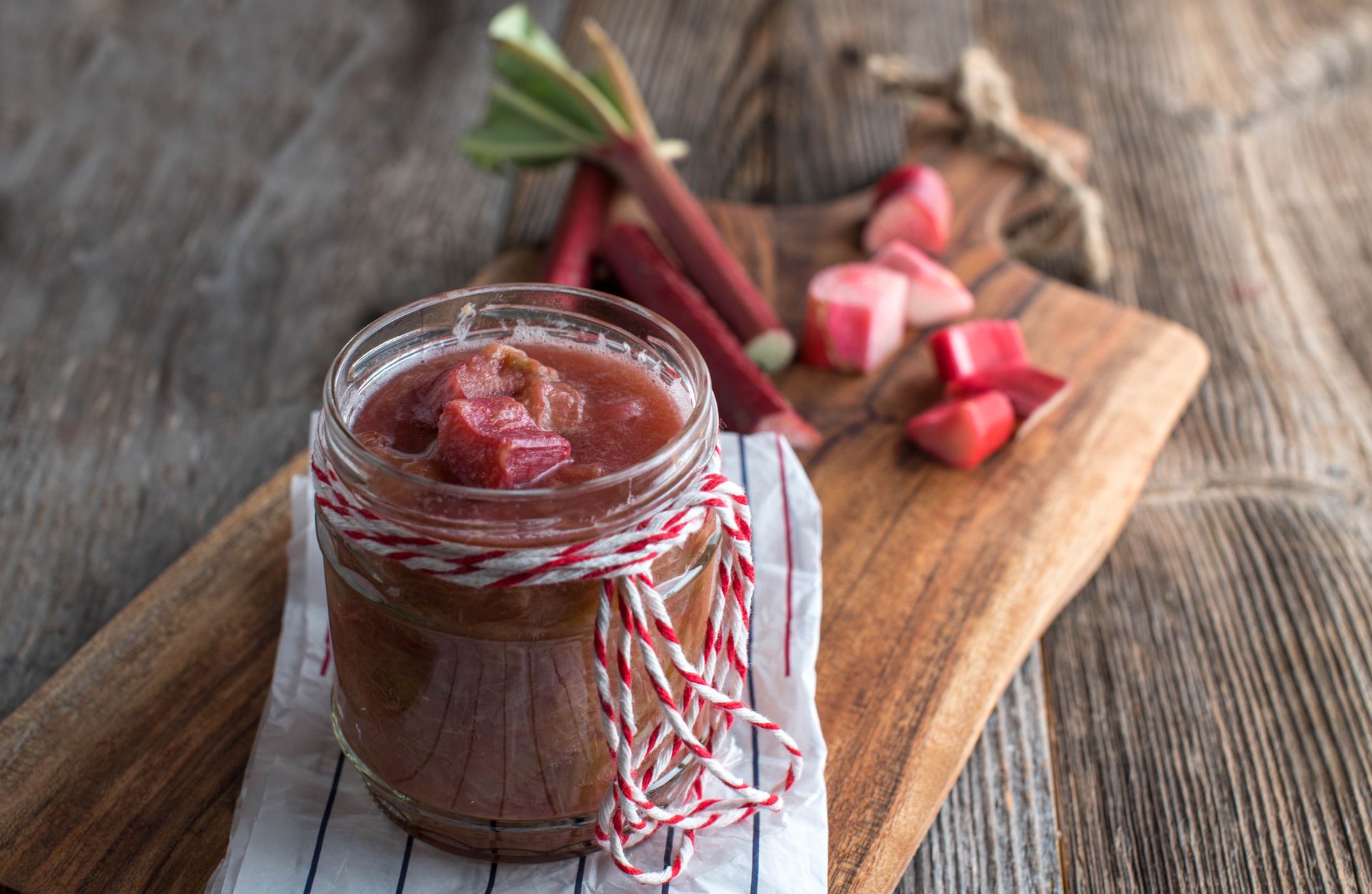
The delightful combination of sweet and tangy flavors in rhubarb makes it ideal for both desserts and savory meals. In addition to the classic sweet preserves derived from its stalks, you should try making a robustly spiced and well-seasoned chutney. This goes wonderfully with meats or cheeses.
We typically use the pink stems of rhubarb for making compotes or cakes However, its culinary potential is far greater. This veggie works exceptionally well in spicy sauces. These preserves, which combine vegetables and fruits with Eastern spices, are known as chutneys. They are particularly renowned within Indian cuisine.
What type of sauce is chutney?
The term chutney refers to several types of dense condiments prepared using fruits or veggies, often bolstered with herbs, spices, and additions such as sugar, honey, or vinegar. Despite being widely recognized as a British creation, its origins actually lie within the Indian subcontinent, where it has been enhancing meal flavours for hundreds of years. Its etymology stems from the Sanskrit word "chaatni," signifying “to lick,” underlining that just a little bit suffices.
What type of rhubarb should you select for making chutney?
Making rhubarb chutney requires minimal effort. Nonetheless, selecting the appropriate stems is crucial. These stems come with a covering that can be thin or thick and stringy based on how mature the plant is. Consequently, younger rhubarb does not necessitate peeling, whereas older varieties do. Before purchasing, it’s wise to verify if your rhubarb needs stripping. This process isn’t complicated; simply trim both ends of each stem then use the knife's point to gently remove the outer layer—it should slide off effortlessly. The ideal choice for this recipe would be tender and fresh rhubarb.
Rhubarb chutney pairs exceptionally well with various dishes besides just meats.
Hot rhubarb jams go excellently with various meats. They particularly complement milder options such as poultry. The Asian-inspired flavors elevate the taste of chicken or turkey dishes. Additionally, chutneys pair nicely with lamb or pork. These condiments also harmonize well with cheeses like blue cheese, brie, or camembert. Such spreads can upgrade straightforward meals like roasted veggies, specifically potatoes or sweet potatoes. Similarly to cranberry sauce, they work wonderfully with cold cuts or pâtés.
Rhubarb chutney
Ingredients:
- 2 kilograms of rhubarb,
- 3 red onions,
- 4 garlic cloves,
- 750 mL of sugar,
- 2 tablespoons of honey,
- mustard seeds, cinnamon, ground coriander, ginger, black pepper as desired,
- 500 milliliters of wine vinegar,
- dried cranberries and raisins as desired, optionally.
Instructions:
- Dice the skinned onions and garlic finely. Remove the skin from the rhubarb and then slice it. Place all these ingredients in a pot, then stir in the sugar and spices. Let it simmer for thirty minutes.
- Stir in the vinegar and honey. If desired, add raisins or cranberries to enhance sweetness. Continue cooking over low heat for approximately 40 more minutes until it reaches your preferred consistency. After the mixture has thickened, pour it into sterile jars and process them with pasteurization for roughly 15 minutes.
Read also:
Redcurrant jelly sauce: An unexpected delight for your wintertime roasts
Spicy cucumbers in Chinese brine: A bold variation of traditional pickles
The hidden danger of rhubarb: Understanding the safety gap between stalks and leaves
Comments
Post a Comment